
Introducing your baby to the water is one of the most impactful safety milestones in early childhood. While parents often wonder about the ideal timeline, early aquatic exposure builds foundational safety habits, motor coordination, and comfort. Understanding how your baby’s development aligns with water safety helps you choose the perfect starting time.
Starting as Early as the Crawling Stage
We recommend starting formal swim instruction as soon as your baby begins crawling, typically between six and twelve months old. At this developmental stage, infants possess natural reflexes that aid in water acclimation. Early instruction helps babies acclimate quickly while building vital comfort before fear or hesitation can take root in new environments.
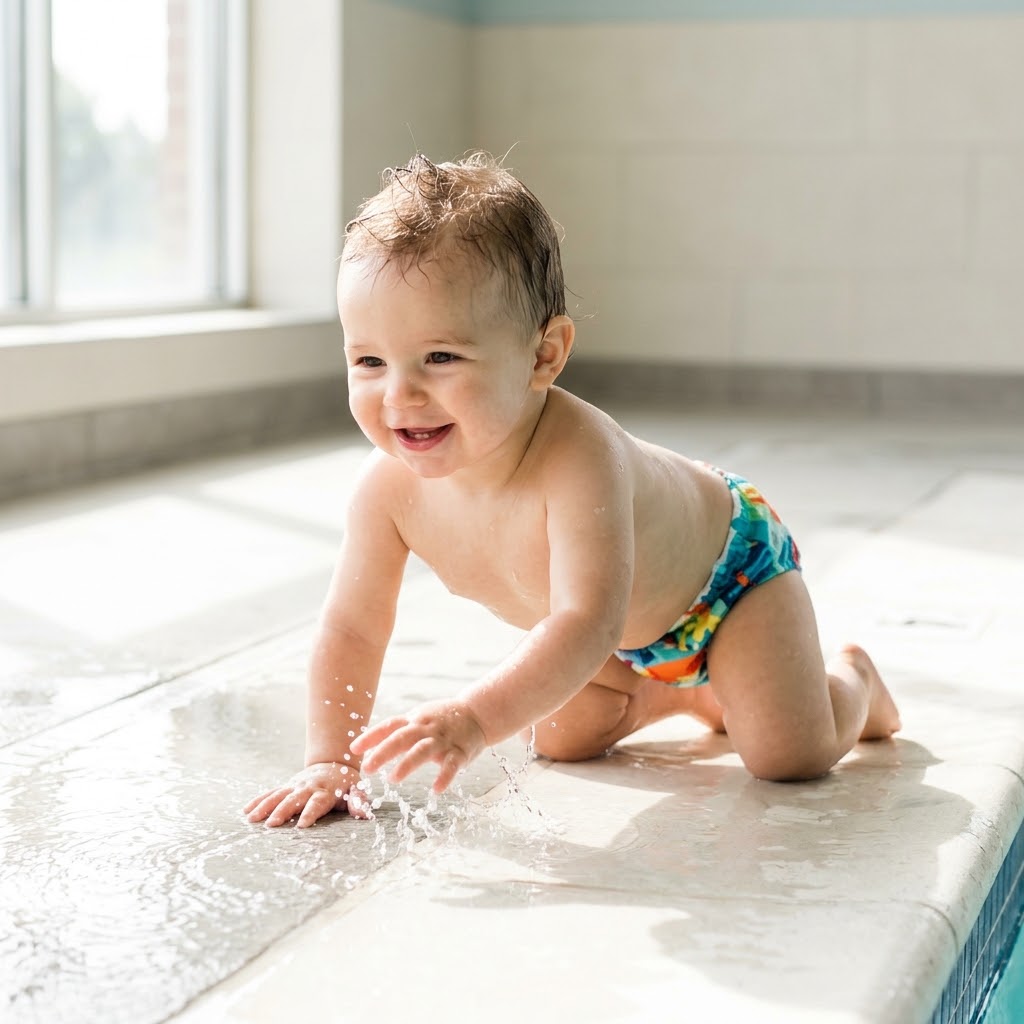
Building Life-Saving Self-Rescue Abilities Early
Infants can learn essential self-rescue skills long before they master formal swimming strokes. Early programs focus on teaching babies to roll onto their backs, float unassisted, and breathe if they ever fall into water unexpectedly. Learning independent back floating provides a crucial safety layer, giving parents peace of mind around pools.
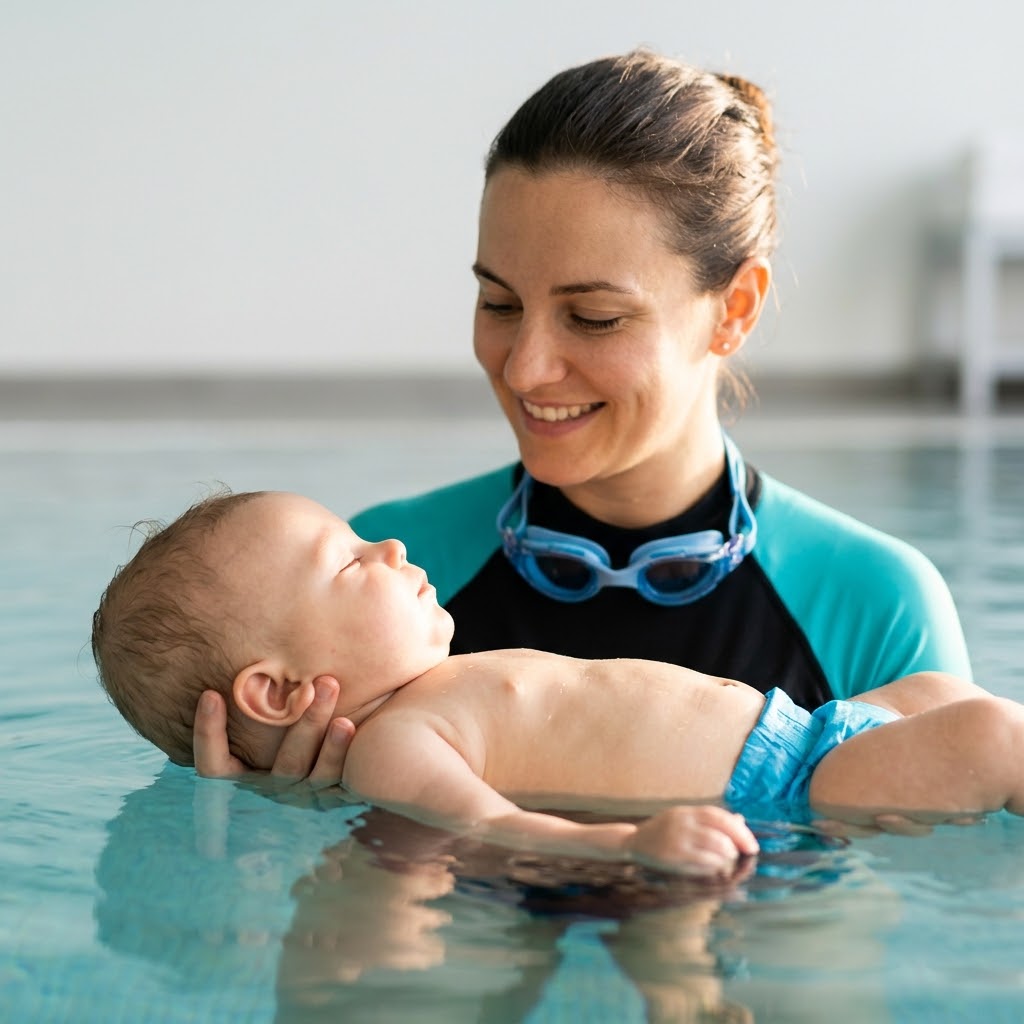
Fostering Confidence Through Continuous One-on-One Attention
Consistent early practice in warm, comfortable water creates positive associations with the aquatic environment. Individualized instruction ensures your infant receives tailored guidance at their exact developmental pace. This dedicated attention helps babies master breath control and water balance gently, building enduring confidence without causing stress or overwhelming feelings.
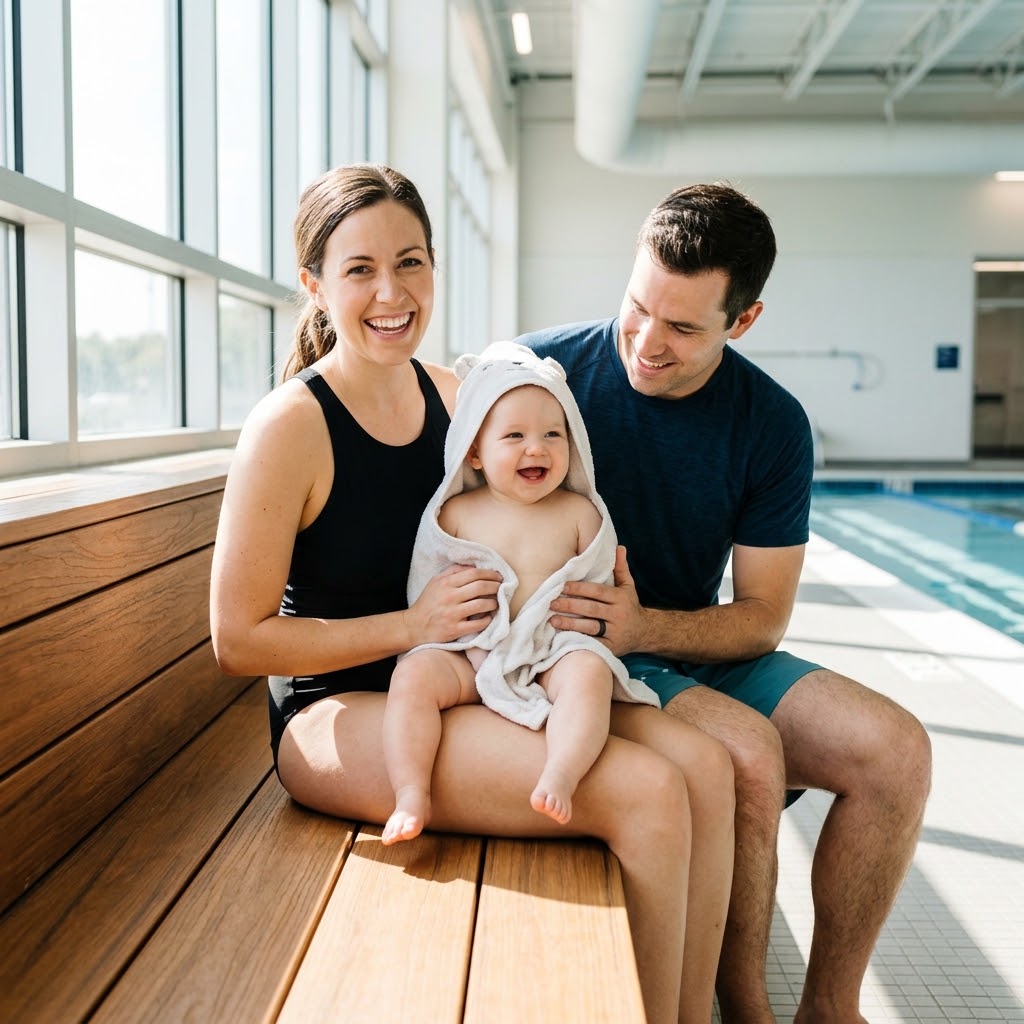
Promoting Physical Development and Sensory Awareness
Early swimming lessons encourage valuable physical growth by engaging core muscles, improving coordination, and enhancing overall balance. Navigating water resistance offers unique sensory stimulation that supports cognitive and motor skills. Starting early turns water exploration into a healthy habit, establishing a strong physical foundation for active growth.
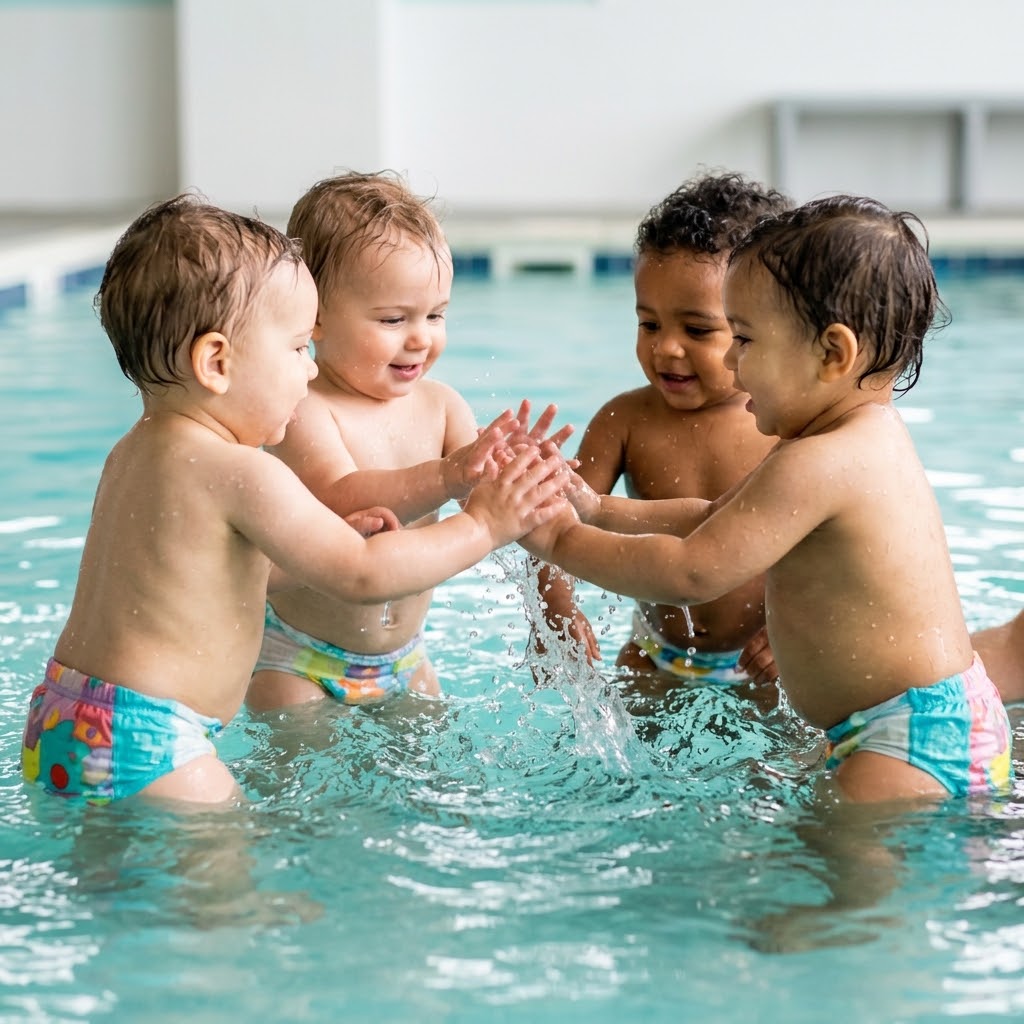
Enrolling your child early establishes a lifetime of water safety, physical strength, and aquatic enjoyment. At PhD Swim School, we provide infant swim lessons in Durham, NC, specializing in safe swimming classes for newborns, and specialized swimming classes for infants. Explore our survival swim programs online today or contact our team to enroll your baby.
