
When introducing children to the water, parents often wonder about the distinction between general swimming instruction and specialized survival techniques. While traditional lessons emphasize stroke mechanics and recreational enjoyment, survival swimming focuses on life-saving self-rescue skills. Understanding these differences helps families select the safest, most effective aquatic education for their infants and young children.
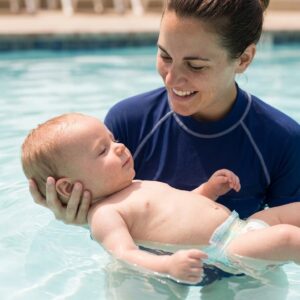
Self-Rescue Focus Versus Basic Propulsion
Traditional swimming lessons usually teach children how to kick, paddle, and blow bubbles for recreational fun. In contrast, survival swimming classes in Durham NC prioritize essential self-rescue skills, teaching infants and toddlers how to roll onto their backs, float, rest, and breathe if they ever accidentally fall into a body of water.
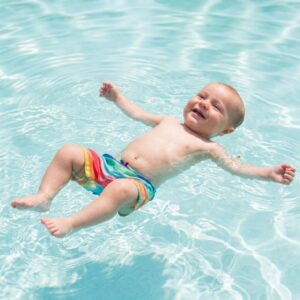
One-on-One Instruction for Targeted Skill Mastery
Group settings are common in traditional aquatic programs, where attention is divided among several children at once. Our infant survival swim class relies on individualized, one-on-one instruction. This focused structure allows instructors to tailor every lesson to the child’s unique physical development, ensuring they master floating and breathing skills safely and efficiently.
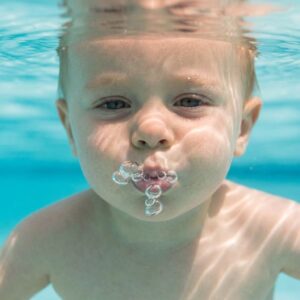
Floating and Breath Control Before Swimming Strokes
Standard swim classes frequently introduce freestyle or doggy paddle movements early in the learning process. Survival instruction flips this sequence by emphasizing aquatic orientation, breath control, and independent floating first. Mastered floating ensures a child can catch their breath and stay calm in deep water before learning forward movement or formal swimming strokes.
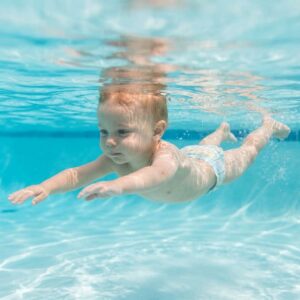
Independence in the Water Without Flotation Aids
Many traditional programs rely heavily on water wings, puddle jumpers, or flotation vests during early instruction. Survival lessons train children to navigate water completely unassisted, ensuring they do not develop a false sense of security. Children learn to rely on their body’s natural buoyancy, building genuine competence and confidence in aquatic environments.
Choosing the right aquatic pathway ensures your child develops lifelong confidence and critical self-rescue abilities in the water. While standard swimming instruction offers great physical activity, prioritizing life-saving skills first provides unmatched safety and peace of mind. At PhD Swim School, our specialized infant survival swim lessons empower young swimmers with essential techniques tailored to their individual needs. We invite you to explore our website, learn more about our structured programs, and contact us today to protect your little swimmer.
