
As parents, we constantly watch for milestones that signal our little ones are ready to take on new experiences. Water safety is one of the most critical skills a young child can learn, but knowing when to begin can feel uncertain. Recognizing key behavioral and physical cues helps ensure a smooth, successful transition into structured aquatic learning.
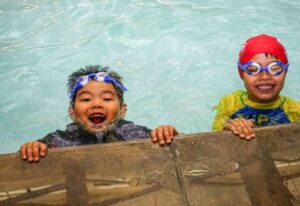
Curiosity and Enthusiasm Around Water
When your toddler shows natural interest during bath time or enthusiastically approaches splash pads, they are demonstrating key emotional readiness. This organic curiosity provides the ideal foundation for structured water instruction. Capitalizing on this excitement allows us to introduce fundamental water safety concepts while your child feels comfortable, motivated, and eager to explore new environments safely.
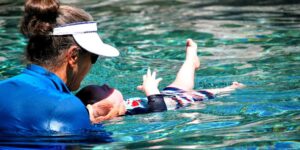
Ability to Follow Simple Instructions
Successful swim instruction relies on a child’s capability to understand and execute basic two-step directions from an instructor. If your toddler can follow simple guidance at home, like putting away a toy, they possess the cognitive focus needed for lessons. This foundational skill allows our instructors to effectively teach essential self-rescue maneuvers and independent swimming techniques.
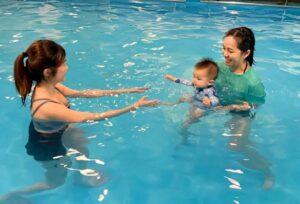
Comfort with Water on Their Face
Many young children experience initial discomfort when water touches their eyes, nose, or ears during routine bathing. If your child remains calm when water splashes onto their face, they have achieved a major milestone. Comfort with facial wetness significantly reduces anxiety, allowing toddlers to submerge safely, practice proper breath control, and master fundamental back-floating positions.
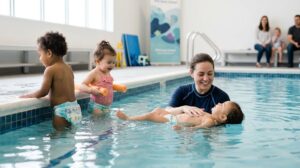
Sufficient Physical Coordination and Stamina
Toddlers need basic motor skills and physical strength to navigate the water effectively and maintain self-rescue positions. If your child can walk confidently, climb small stairs, and engage in active play without tiring immediately, they have the physical stamina required. This developmental readiness enables them to build muscle memory for essential kick techniques and independent floating.
Recognizing these developmental milestones helps ensure your child is fully prepared to build a lifetime of water safety and confidence. At PhD Swim School, our specialized survival and foundational programs empower young children with essential self-rescue skills and strong technique in a supportive environment. If you are exploring toddler swimming lessons in Durham NC, we invite you to take our online swim assessment or contact our team today to find the perfect class for your child.
